Blue Tilapia
Oreochromis aureus
Also called Tilapia.
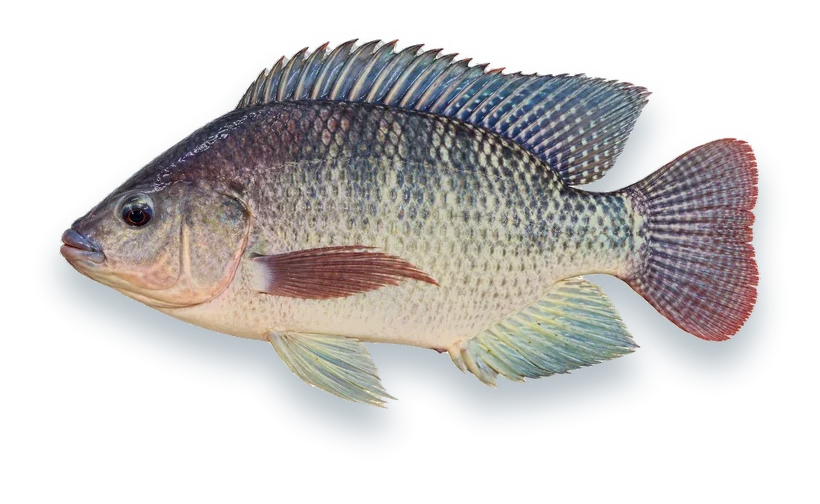
How to tell it
Deep-bodied, blue-gray with a rounded tail and a pinkish-red tail edge on breeding fish; freshwater and brackish lakes.
Often mistaken for
One fish that gets called blue tilapia, and what gives it away.
- Mayan cichlid: Barred with a tail spot. Tell them apart
Rules for
Every state
| State | Size | Bag | Season | Today |
|---|---|---|---|---|
| Florida (Atlantic) | No size limit | Nonnative — no bag limit listed | Year-roundFWC freshwater 2026 (eRegulations) · likely · checked | Check |
| Florida (Gulf) | No size limit | Nonnative — no bag limit listed | Year-roundFWC freshwater 2026 (eRegulations) · likely · checked | Check |
Not specifically regulated in Alabama, Connecticut, Delaware, Georgia, Louisiana, Maine, Maryland, Massachusetts, Mississippi, New Hampshire, New Jersey, New York, North Carolina, Rhode Island, South Carolina, Texas, Virginia: each state’s rule for unlisted species applies there (on its page).
On the table
Good — mild; commonly speared and cast-netted.
In the app
Point the camera at a blue tilapia and the name appears before you take the picture, with these rules for the water you’re standing in. No signal needed, and every catch goes in the log.
Get the appQuestions anglers ask about blue tilapia
How do you tell blue tilapia from mayan cichlid?
Blue Tilapia: Deep-bodied, blue-gray with a rounded tail and a pinkish-red tail edge on breeding fish; freshwater and brackish lakes. Mayan cichlid: barred with a tail spot.